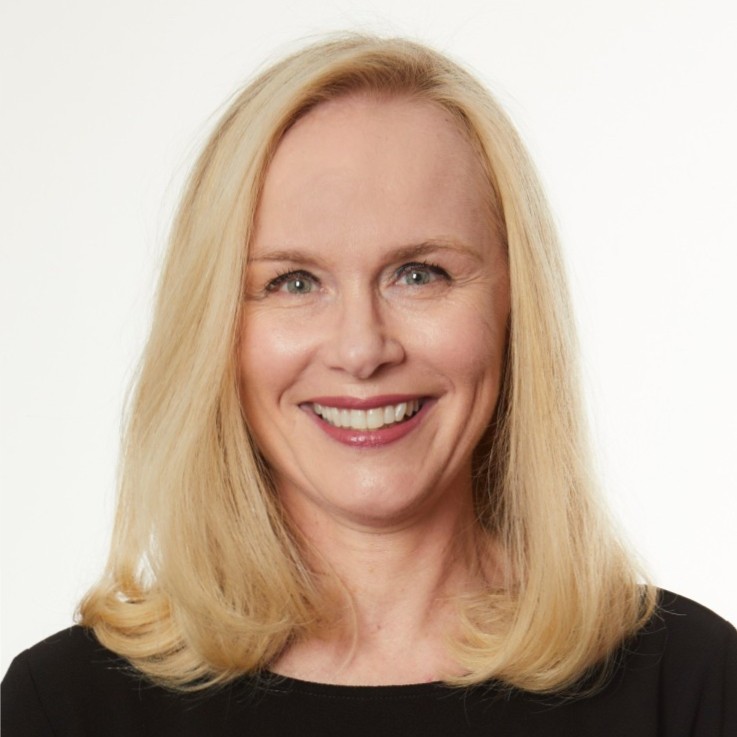

Stephanie Alexander
Living with heart failure: Stephanie Alexander
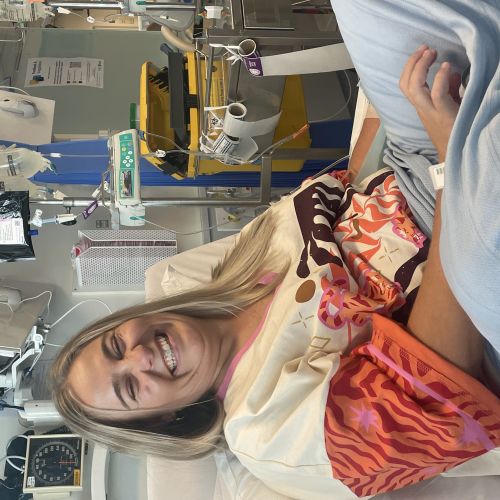
A young Brisbane woman, diagnosed with heart failure just days before her honeymoon, is calling for support of life-saving medical research to prolong life, for patients like her.
Stephanie Alexander was just 25-years old when diagnosed with cardiomyopathy, a disease of the heart muscle.
“I thought all my symptoms of chest infection, ear infection and bronchitis were my body telling me I was stressed, even though I didn’t feel it,” said Stephanie.
“It turned out I had to have an Implantable Cardioverter Defibrillator (ICD) put in my chest, which is like my own little paramedic so if I go into an arrhythmia, it will give me a big shock and hopefully stop me having a cardiac event.”
RBWH Senior Staff Cardiologist and researcher Associate Professor Sandhir Prasad said about one in 200 people were diagnosed with heart failure each year, but rarely as young as Stephanie.
“Donating to research is absolutely vital,” said Associate Professor Prasad.
“Heart failure is a killer disease; it causes so much suffering.”
RBWH is a national leader in heart failure research. Early detection and improvements in ongoing monitoring are major priorities. Associate Professor Prasad said mobile screening services, potentially in shopping centres, could one day be a game-changer.
“We've been working on a model where nurses perform heart scans, or echocardiograms, to detect heart function.
“This could occur in GP clinics, it could occur in hospital wards or in supermarkets and shopping malls where nurses could set up screening stations.”
Once diagnosed, he said, ongoing monitoring of heart patients was vital.
“The Holy Grail in monitoring would be remote monitoring, using devices such as smartphones or smartwatches which can measure biometric data and transmit it to the hospital, so patients don't have to come in for monitoring visits.”
Stephanie said her goal was simple – to prolong life.
“I would like research to help people live longer lives with heart disease,” said Stephanie.
“The biggest and most difficult thing to come to terms with is that I won't be able to give birth to the children I spent my life dreaming of.
“Creating a family is an option that this disease has taken away from my husband and me, and this just scratches the surface of how this terrible disease can impact people.”
The care of the RBWH staff and the generosity of RBWH Foundation donors gives hope to patients like Stephanie. Your support helps fund and raise awareness of the research, equipment and care that give patients a future.
Find out how you can show your support or send a thank you here