Supporting families, saving lives
Born at 33 weeks and two days, baby Amelia had already weathered unimaginable storms. Deprived of nutrients in the womb because of placenta-cord issues, she had also lost the twin brother she should, by rights, have grown up with.
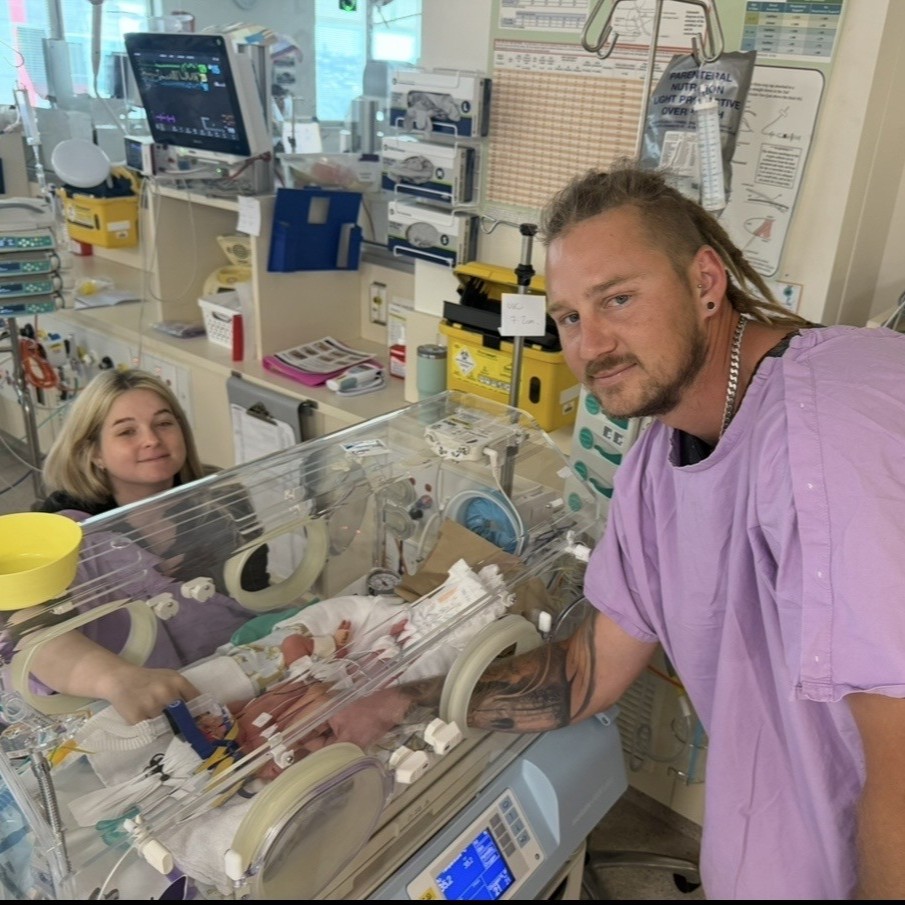
It was a challenging start, but having been born at Royal Brisbane and Women’s Hospital (RBWH) this little fighter was in the best possible place.
“She was only 1.4 kilos at her birth,” said mum, Emily, “so they took her straight to the Neonatal Intensive Care Unit (NICU).
“The first few days were really, really difficult - not being able to hold my baby was hard on me. But the care that she received in NICU was amazing.”
Expertise built on decades of research
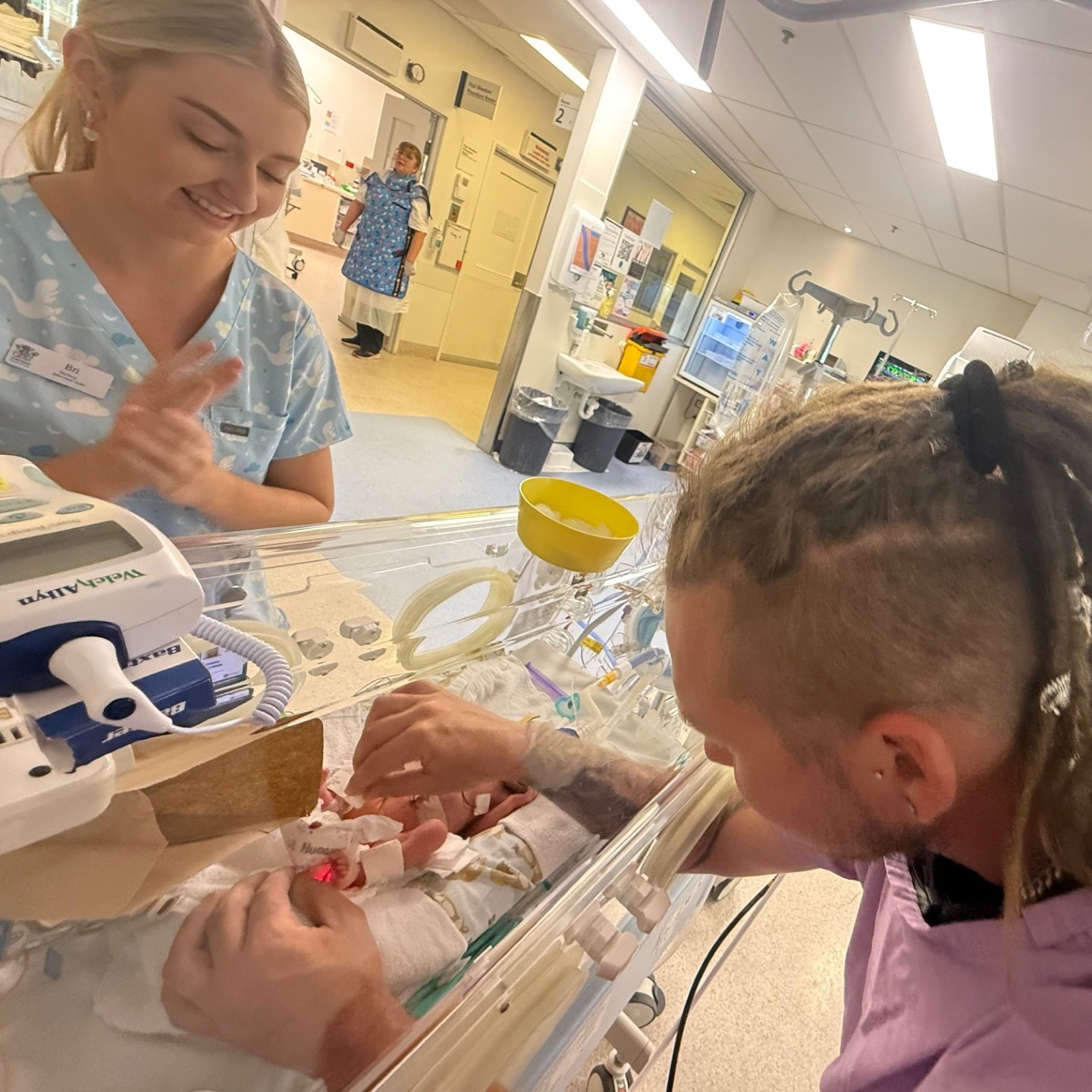
With the team’s support, new parents Emily and Andy - still grieving the loss of their stillborn son, Jackson - grew in confidence.
“As soon as you got down there, the nurses would introduce themselves, say that they were looking after Amelia, and give you a full rundown on how she'd been,” Emily said.
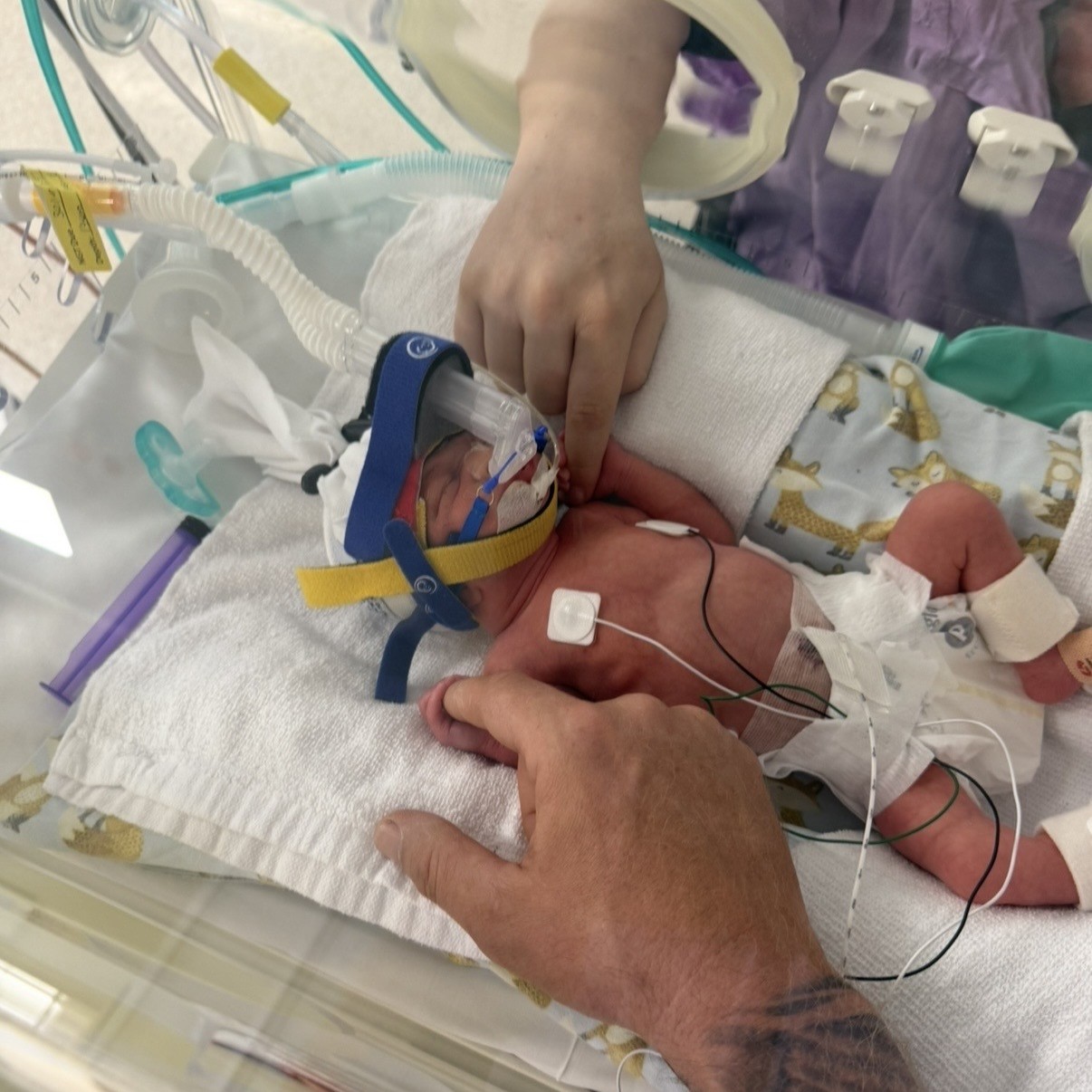
“All the updates on her journey; whether they’d taken the CPAP (Continuous Positive Airway Pressure machine) off, if she’d had any bradycardia episodes, what amount of feeding she was on, and how she was tolerating it.
“They just gave you every bit of information that they could.”
The Foundation’s decades-long investment in neonatal research ensures teams like this can provide the highest level of care. Before long, that support extended to helping the couple navigate the practicalities of parenthood with a tiny baby.
“They taught us how to change Amelia’s little nappies and how to bathe her and how to do her tube feeding,” Emily said.
“We just felt really supported and guided. And Amelia felt very, very safe in their hands which, after all we’d been through, meant so much.”
Care beyond the physical
And, once again, the team’s care extended far beyond the physical.
“I was supposed to be discharged on the third day, but I really struggled with that,” Emily said.
“I wasn't ready to leave Amelia and, as Jackson hadn't been moved to the funeral home yet, I had a big issue with having to leave the hospital.
“They actually allowed me to stay in an extra day or two and, by then, I felt a bit more ready and had accepted it. That was really sweet of them.”
Under the team’s exceptional care, Amelia flourished.
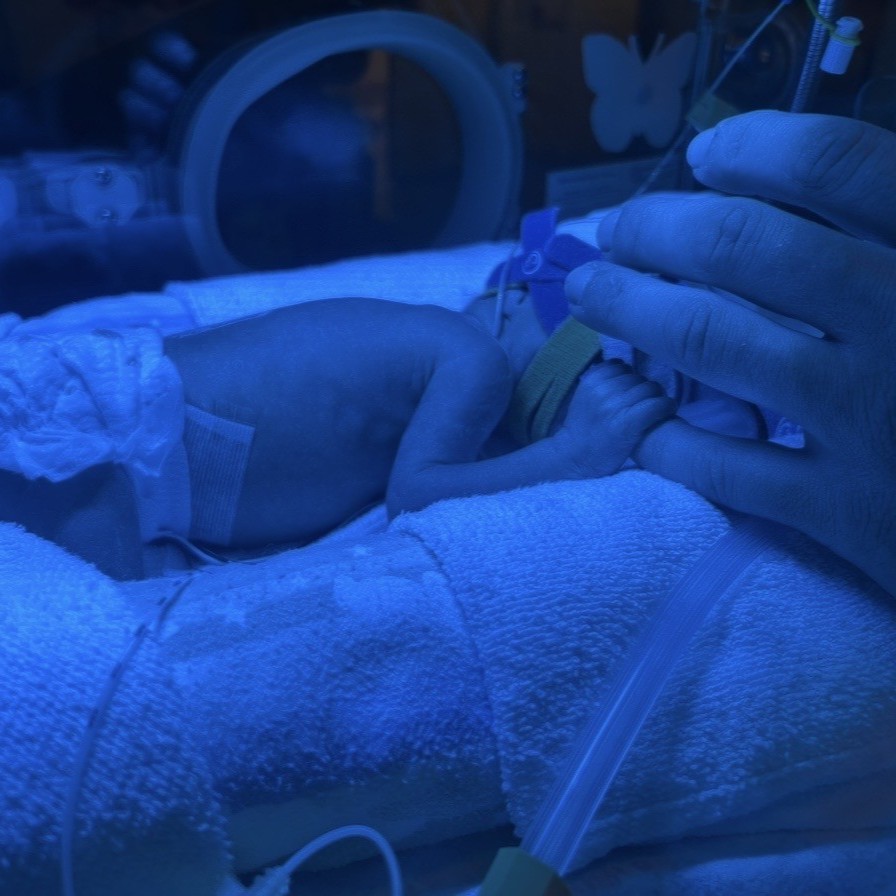
“Specialists were in every other day, checking her heart function, doing ultrasounds, checking her brain function - basically making sure that everything was developing and working the way it was supposed to,” Emily said.
“I’m actually surprised by how well she went in the NICU. She just kept meeting all her little milestones so quickly, and I do think that’s down to the care. Without that dedicated attention and their incredible facilities, I can’t imagine that she would have progressed as well.”
One step closer to home
In a matter of weeks, Amelia was strong enough and healthy enough to be transferred to the family’s local hospital in Hervey Bay by the Foundation-supported NeoRESQ Service.
“I had to bring all our belongings back from Brisbane, because Andy was already back in Hervey Bay – we couldn’t afford for him to take any more time off work,” Emily said, “but that then meant I couldn’t fly up with her.”
For a mum who had barely left her daughter’s side, the prospect was terrifying.
“The only reason we felt comfortable enough doing that was the NeoRESQ team,” Emily said.
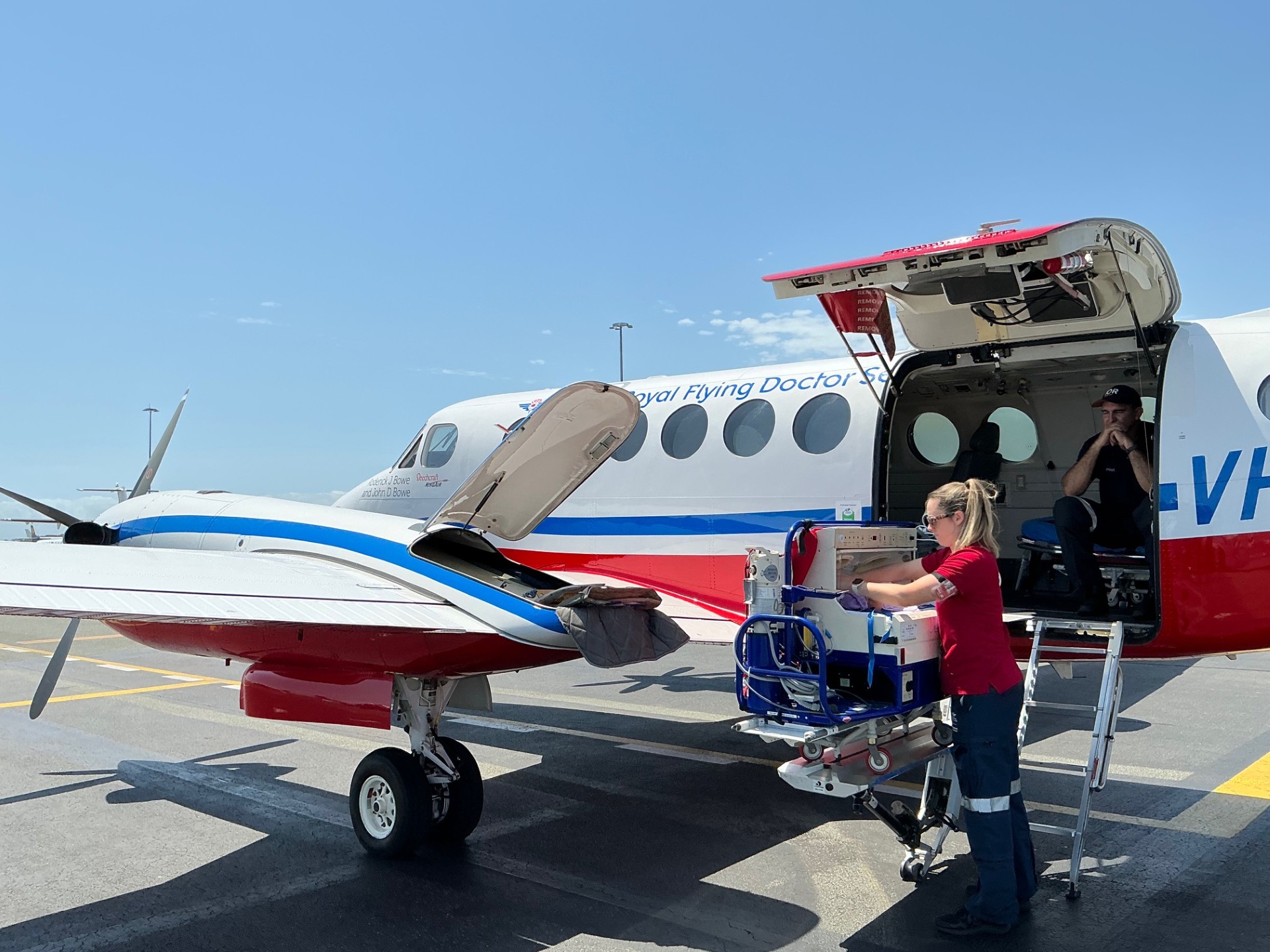
“When I was at the hospital with Amelia, waiting, they were checking her over constantly. Then they walked me through the process from start to finish, promised to send me photos of her throughout the journey and gave me a phone number to call if I needed to check on her. It was incredible.”
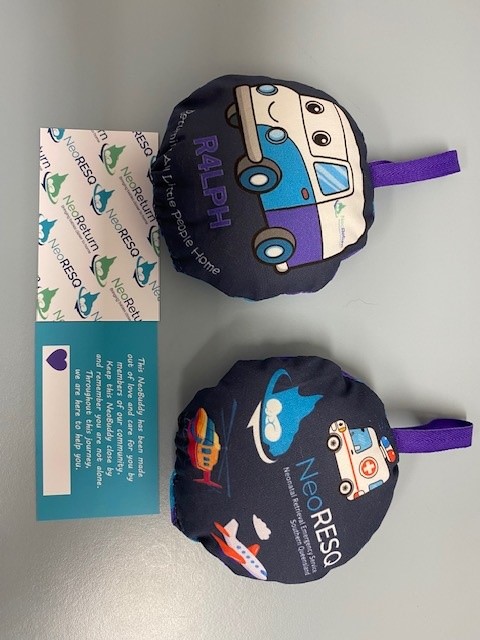
And while Amelia will never remember her very first flight, Emily says the family will treasure their Foundation-funded keepsake.
“It’s a journey and an experience that we will never forget,” Emily said. “Having her little NeoBuddy soft toy, as a memento of how far she has come, is really very special.”

Thanks to RBWH Foundation support, Amelia not only received world-class neonatal care but the expert support that her family needed to navigate one of life’s most challenging beginnings.
Want to know more about the part you play in complex patient journeys, like these? Don’t miss the final blog in our series, where we share the next chapter of Amelia’s story and reveal how your support on Giving Day can make a real difference for babies and families facing extraordinary challenges.