
Imagine holding an object but not being able to recognise its shape or texture. Feeling water against your skin but not realising it’s dangerously hot. Or experiencing pain from even the most loving touch. These are the invisible challenges your generosity is helping stroke survivors overcome.
For Brian Stewart (Stew), the debilitating impact of stroke initially caused him to retreat from the world.
“After I had my stroke, there was something wrong with my right hand – it felt as though it was hanging down by my side, but when I looked it was up in the air, next to my ear.”
Support worker, Ash Edwards, recalls the daily struggle.
“When he was first discharged from hospital, Stew could rest his hand on something and have no idea he was doing it,” Ash said.
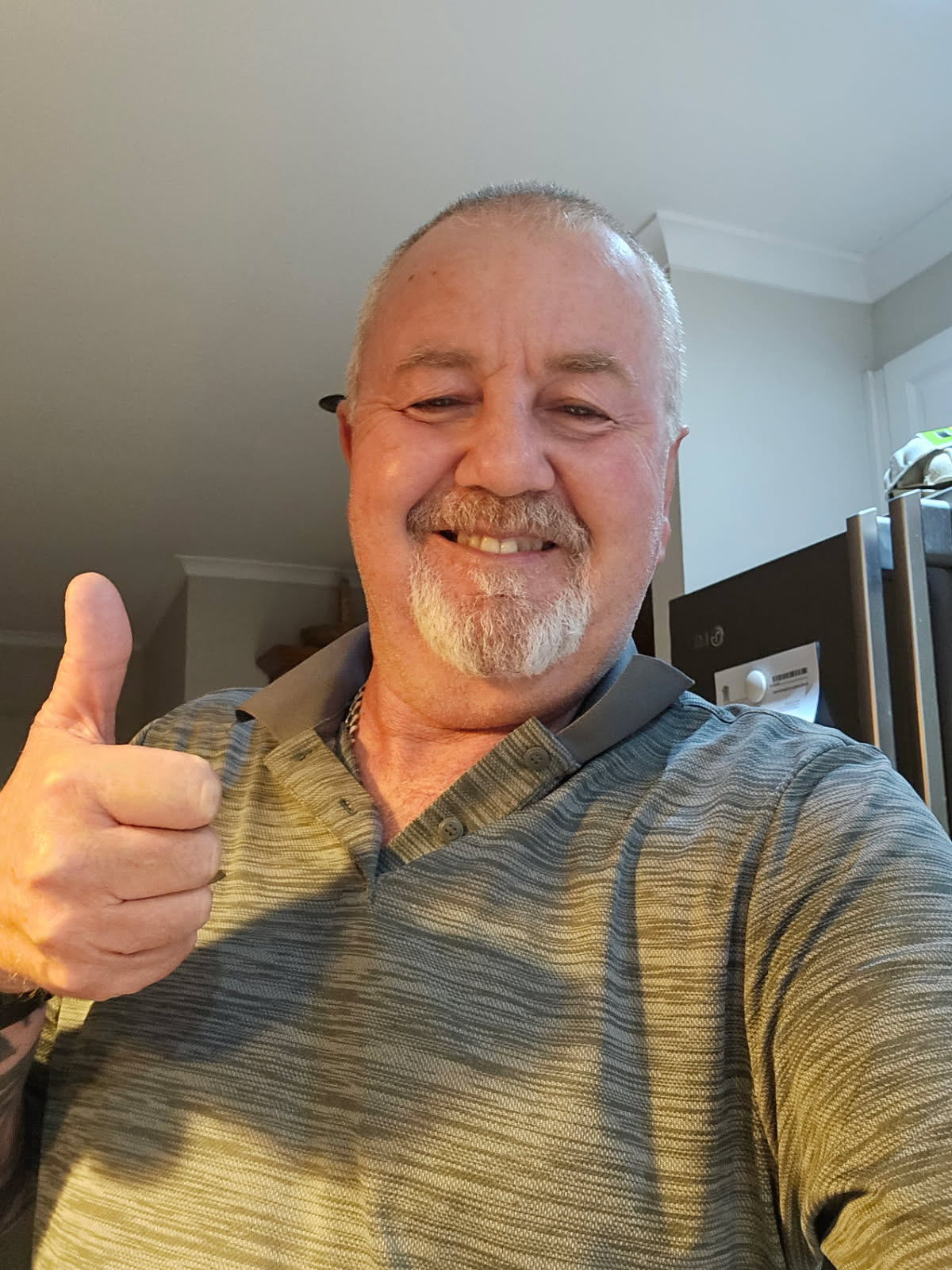
Brian Stewart (Stew) with a thumbs up.
“If I put a fork in his hand, he’d believe he was holding it correctly. But when he looked, he’d see the orientation was completely different than his brain was registering – it might be sideways across his hand or sitting between his fingers. The messages were completely mixed up or not there at all.”

Therapy that makes sense
Every year, Metro North hospitals care for about 1500 survivors of stroke. Like Stew, 50-80% will suffer impaired sensation.
When Tamsin Mahoney, Director of Allied Health at the Surgical, Treatment and Rehabilitation Service (STARS), was approached with an idea on how to address this hidden, but deeply challenging, consequence of stroke, it was your support that helped bring it to life.
“One of the hospital’s consumer advocates, Bridget, told me that after her husband had a stroke, everyday touch felt almost like an electrical current – a painful shock. In her search for answers, she’d discovered SENSe therapy and wanted to put me in touch with its creator, Professor Leeanne Carey,” Tamsin said.
Sensory assessment is part of the broader assessment stroke survivors receive, but specialist sensory rehabilitation is not routinely available. SENSe is different: its neuroscience-based, research-backed approach provides clinicians with a structured way to assess and rehabilitate sensory impairments that can otherwise be difficult to identify and treat.
“It’s a world-leading, evidence-based assessment and rehabilitation tool – the gold standard for these impairments that can otherwise be difficult to identify and understand.”
- Tamsin Mahoney, Director of Allied Health at STARS
Uncovering the hidden impacts of stroke
“When a person suffers a stroke, often the things they notice first are the very obvious changes: lack of speech, inability to swallow, inability to walk, or to use their arm. Over time, some of those things improve, and it’s only then that sensory loss can become more apparent,” Tamsin said.
“As a result, resources tend to be invested in those more visible, pressing needs – cognitive retraining, home assessments and equipment modifications – the things we need to do to get people home and back into their everyday life.”
But sensory changes can have a profound impact on a person’s independence, confidence and quality of life. Tamsin and Bridget were determined to make sure these often-overlooked challenges were given the attention they deserved – and turned to the RBWH Foundation for help.
“The only way we could make it happen was through a grant. And because of RBWH Foundation donors, we did.”
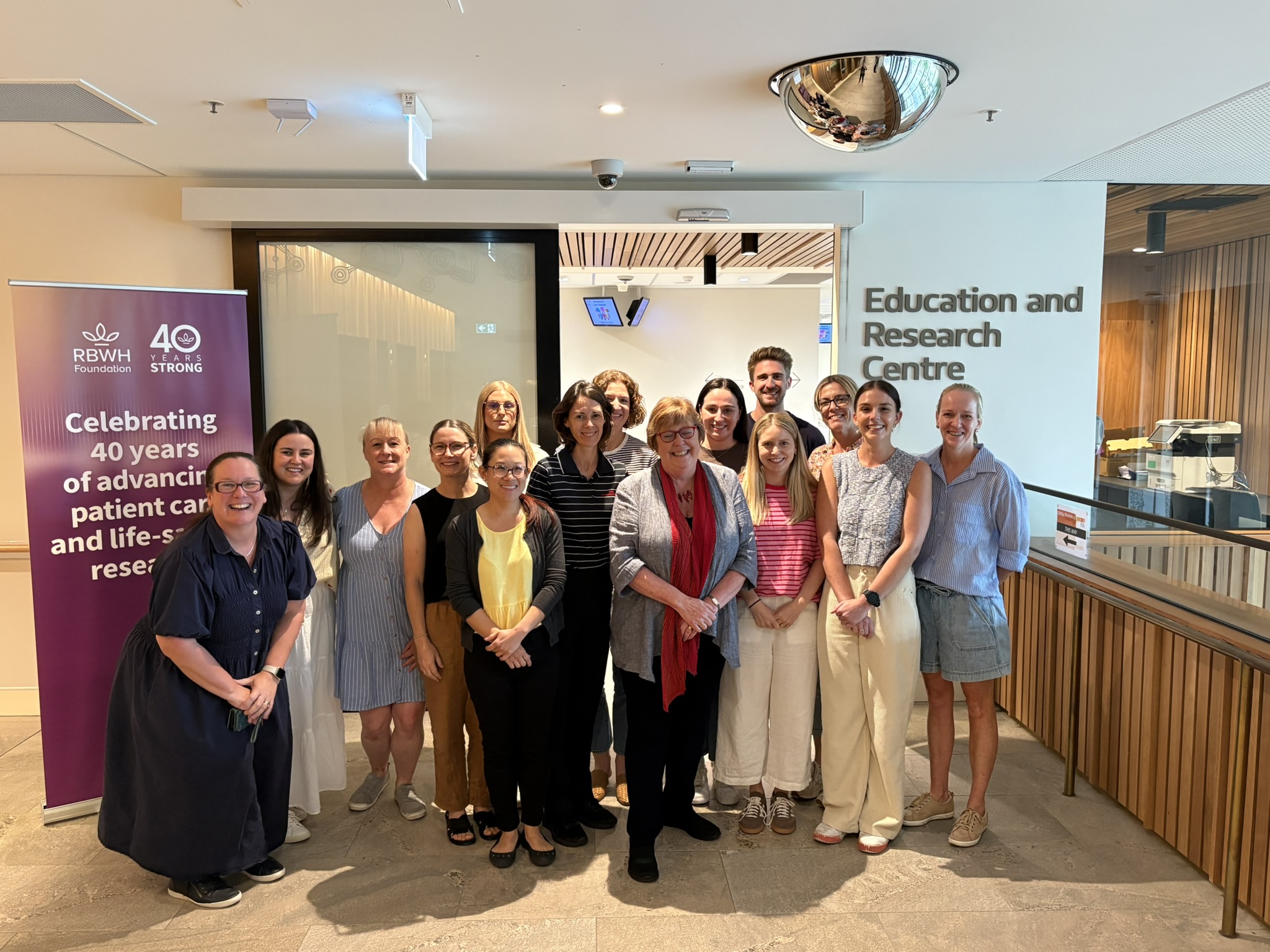
SENSe group photo at RBWH Education Centre.
Getting life back on track
“He’s regained so much confidence. Now, when we check in for appointments, Stew leads the way,” Ash said.
“The feeling in his hand has recovered enough that he’s filling out his own paperwork, signing his own forms and writing birthday cards. His life feels normal again.”
“When a patient says, ‘I couldn't hold a cup, and now I can hold a cup,’ it may not seem like a really big deal to people but, for patients who've experienced a stroke, that's life-changing.”
- Tamsin Mahoney
Because of your generosity, a hidden challenge is hidden no more – and people like Stew are holding cups, signing birthday cards and reclaiming their lives. Thank you for making this kind of life-changing care possible.