Projects
Creating Innovative Educational Resources to Support Vascular Access Knowledge and Self Management in Adults Receiving Haemodialysis
RBWH Foundation Grants Round 6
Share this project
Project description
The Kidney Health team at Royal Brisbane and Women's Hospital (RBWH) is partnering with patients, carers and clinicians to develop a practical education toolkit that helps people confidently care for the vascular access used for haemodialysis.
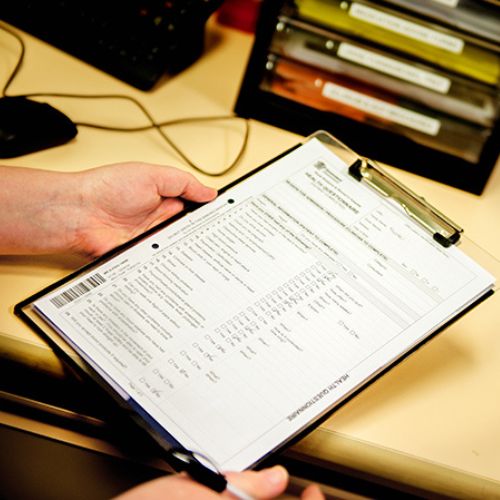
Using a co-design approach, people with lived experience of dialysis are helping shape clear, easy-to-understand resources that explain how to care for their vascular access and help patients recognise early warning signs of complications and know when to seek help.
The toolkit will include printed guides, videos, animations and audio resources, providing consistent, accessible education that supports patients throughout their dialysis journey.
Why this work is needed
Haemodialysis is lifesaving for people whose kidneys can no longer effectively clean the blood and protect the body. Reliable vascular access is crucial for successful treatment.
Complications with vascular access can disrupt treatment, lead to emergency hospital admissions and have serious health consequences. However, many patients are unsure how to care for their vascular access or identify signs that something may be wrong.
Education is available, but it is often delivered alongside large amounts of other information at an already overwhelming time. Patients frequently describe existing resources as fragmented, difficult to understand and not tailored to how they learn best.
This initiative aims to change that by placing patients at the centre of the solution.
Working alongside people with lived experience, clinicians will co-design a practical education toolkit that provides clear guidance on day-to-day care, early warning signs and when to seek medical advice. By offering information in multiple formats, including written, visual and audio resources, the toolkit will better support people with different learning needs, literacy levels and preferences.
Expected outcomes
The long-term goal is to give patients greater confidence in managing their vascular access, helping them identify problems earlier, avoid preventable complications and maintain uninterrupted dialysis treatment. At the same time, the initiative will provide clinicians with consistent, high-quality educational resources that improve communication and support safer, more person-centred care across Metro North Kidney Health Services.