Projects
Detecting subclinical brain hypoxia: proteomic biomarkers and machine learning
RBWH Foundation Grants Round 5
Share this project
Project description
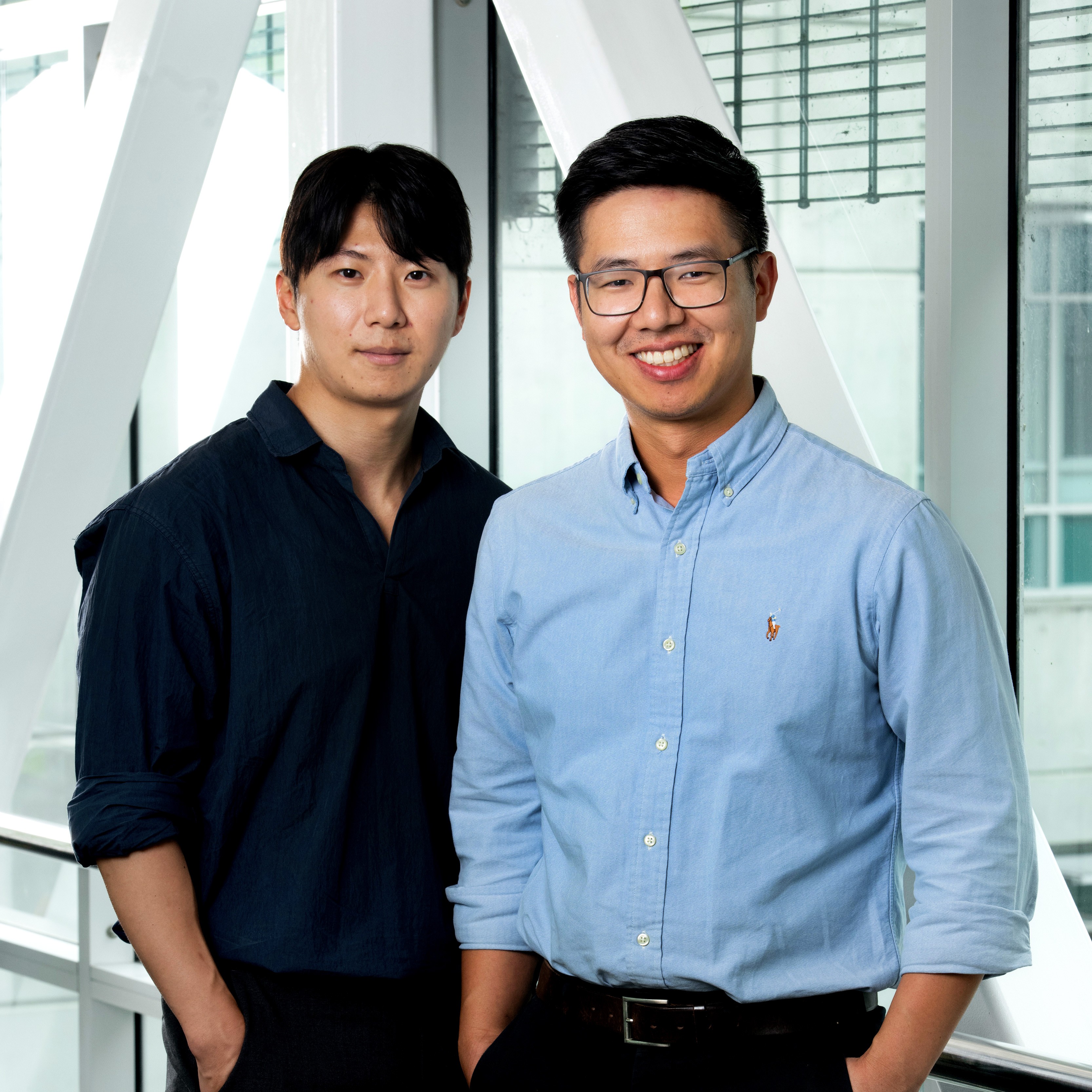
Using samples from healthy volunteers collected at high-altitude during a mountain climb, Dr Lau's team will develop a blood test to identify changes in blood proteins.
A mountain climb mimicks a clinical period of time when the human body experiences low oxygen. Researchers can use the samples to identify which proteins in blood rise or fall when the brain is at risk.
Why this work is needed
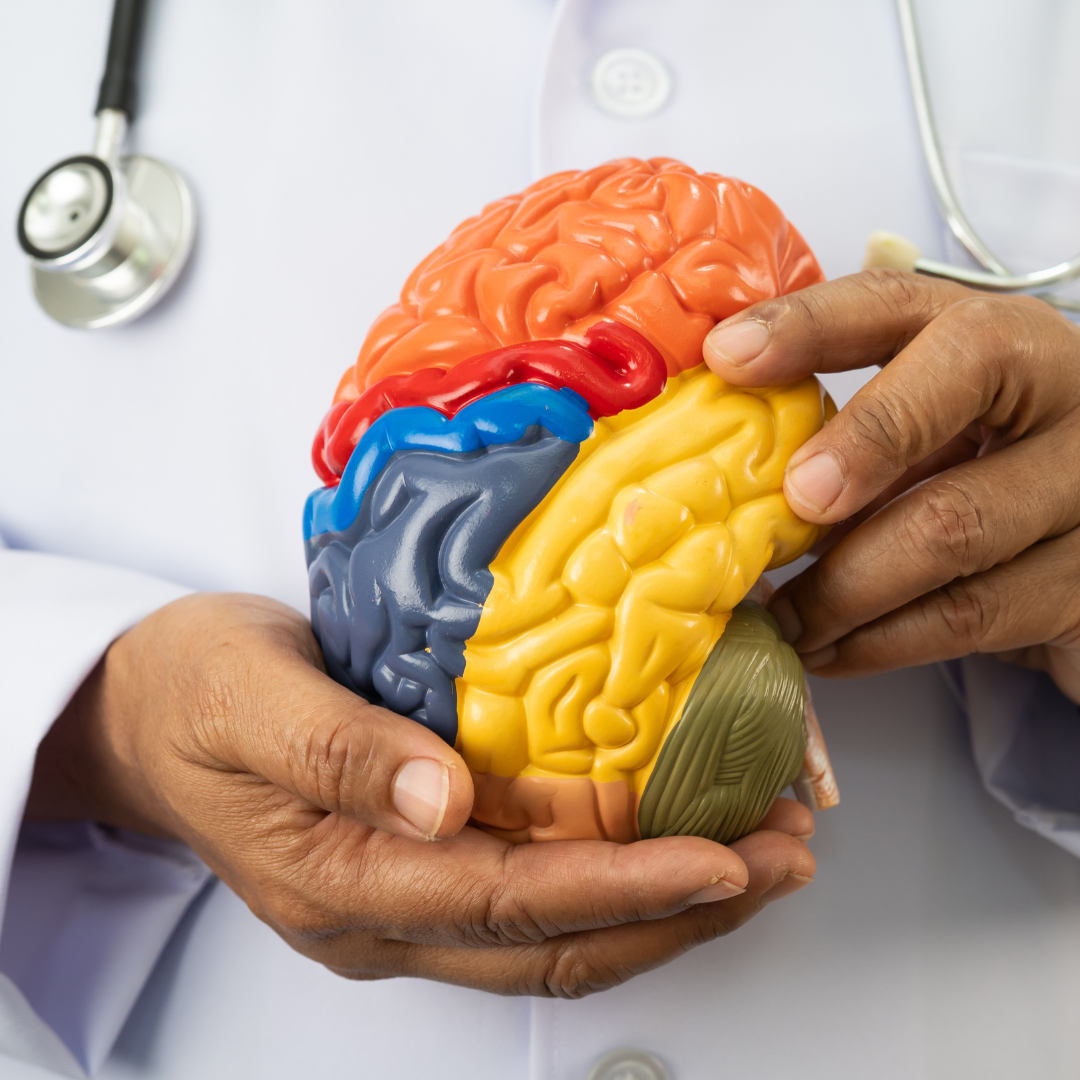
When the brain does not get sufficient oxygen - even for a brief moment - it can sustain injury. Sometimes this happens suddenly, such as after a cardiac arrest or stroke, or it occurs gradually, from sleep apnoea or chronic obstructive pulmonary disorder. Early changes are easy to miss on standard tests like finger-pulse oxygen readings or routine blood tests.
With more than 400,000 head injuries across Australia (nearly 5% of all emergency department visits) and up to 1.4 million Australians experiencing obstructive sleep apnoea, there is an evident need for a simple blood-based test that can reveal early 'brain stress' from low oxygen levels, before permanent damage occurs.
Expected outcomes
If successful, this approach could help doctors monitor at-risk patients and identify early management approaches to protect cognition, improving care in intensive care units and respiratory clinics.